




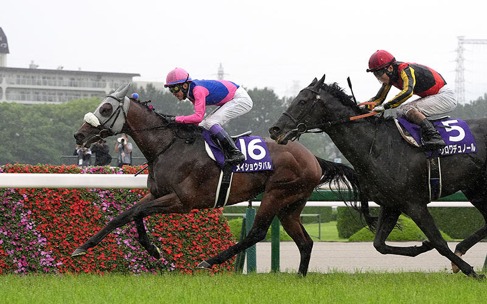
Japan racing action will take centre stage at the prestigious Tokyo Racecourse on Sunday, 21 June, when a competitive 12-race programme will bring together juveniles, developing three-year-olds and seasoned older performers across distances ranging from 1400 metres to 3000 metres. With prize money highlighted by the 72,820,000 Yen Fuchu Himba Stakes (G3), alongside the valuable Koshukaido Tokubetsu and Tamagawa Stakes, the fixture will offer one of the most varied and informative cards on the Japanese racing calendar.
Tokyo Race Cards 21 June
Setting the Stage for the Day, Race 1 at 10:05 will see three-year-olds and upward contest 3000 metres for a purse of 16,040,000 Yen, providing a searching stamina test to open proceedings. The staying contest will immediately place endurance and race management at a premium, ensuring the meeting begins with one of its most demanding assignments. Race 2 at 10:40 will follow over 1600 metres for three-year-olds with prize money of 11,050,000 Yen. The mile contest will offer developing runners an opportunity to continue their progression while seeking an important early-career success.
The Spotlight Will Then Shift to Emerging Talent, as Race 3 at 11:10 will feature three-year-olds over 2100 metres for a purse of 11,050,000 Yen. The longer journey will provide another valuable examination for improving performers still establishing their credentials. Race 4 at 11:40 will introduce the juvenile division, with two-year-olds set to compete over 1400 metres for prize money of 14,880,000 Yen. As one of the day’s early juvenile contests, the race will offer a useful indication of potential prospects within the younger ranks and should attract considerable attention from breeders and connections alike.
Attention Will Gradually Turn Toward the Developing Divisions, where Race 5 at 12:30 will provide another opportunity for two-year-olds over 1800 metres with a purse of 14,880,000 Yen. The extended distance will present a different challenge for the juveniles as they continue their racing education and gain valuable experience. Race 6 at 13:00 will bring together three-year-olds over 1600 metres for prize money of 11,050,000 Yen, with several runners likely to use the contest as a stepping stone toward stronger company later in the season.
The Competitive Rhythm of the Afternoon Will Continue, beginning with Race 7 at 13:30. The 1600-metre contest for three-year-olds and upward will carry prize money of 15,620,000 Yen and should provide a closely matched contest among experienced campaigners. Race 8 at 14:00 will be conducted under identical conditions, with another 15,620,000 Yen on offer for runners competing over the same distance. Together, the pair of races will form an important bridge between the developmental events and the afternoon’s feature contests.
Feature-Race Momentum Will Begin to Build with Race 9 – the Koshukaido Tokubetsu, scheduled for 14:35. The 1400-metre contest for three-year-olds and upward will offer a purse of 30,080,000 Yen and will represent a notable rise in class compared with the earlier races. Race 10 – the Tamagawa Stakes, will follow at 15:10 over the same distance and age conditions, carrying enhanced prize money of 35,570,000 Yen. The valuable stakes event will further strengthen the quality of the card as attention turns toward the headline attraction later in the afternoon.
Centre Stage Will Belong to the Afternoon’s Main Attraction when Race 11 – the Fuchu Himba Stakes (G3), will be run at 15:45. Contested over 1800 metres for three-year-olds and upward, the graded feature will offer 72,820,000 Yen and will stand as the richest race on the programme. Its Grade 3 status and substantial purse will ensure significant attention from racing followers across Japan, while the race itself will provide an important opportunity for high-class performers to enhance their credentials.
Bringing the Curtain Down on the Meeting, Race 12 at 16:30 will conclude the programme with a 1400-metre contest for three-year-olds and upward carrying prize money of 15,620,000 Yen. Although staged after the feature event, the closing race will still offer a competitive prize and provide one final opportunity for runners to leave their mark on a busy afternoon of racing.
With contests catering to every stage of equine development, from juveniles beginning their careers to established performers competing in valuable feature events, Tokyo’s Sunday programme will provide a comprehensive showcase of Japanese racing. The combination of developmental contests, competitive handicaps, valuable stakes races and a Grade 3 centrepiece will ensure the fixture occupies a prominent position on the weekend racing schedule.
For more stories, results, and updates from the world of horse racing, stay tuned to RaceBuzz