




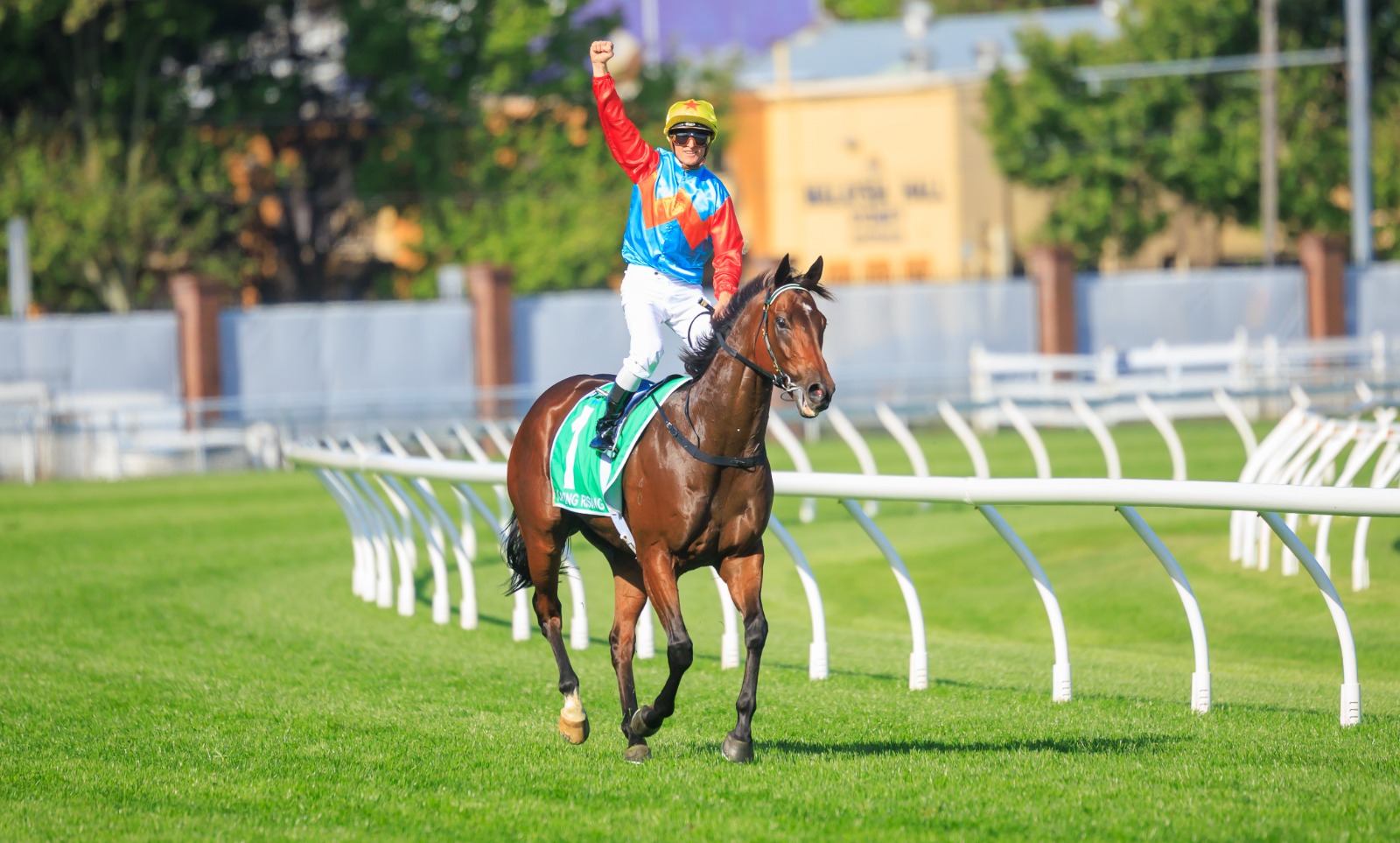
The Australian Turf Club will bring the spotlight of Australian sprinting to Royal Randwick on Saturday, 17 October 2026, when the 10th running of the TAB Everest headlines a major day on Sydney’s racing calendar. The Group 1 contest will cover 1,200 metres and offer A$20 million in total prize money, including A$7 million for the winner, as a select field of leading sprinters prepares to compete in one of the most valuable races on turf.
Scheduled for 4:15 PM local time, the TAB Everest will be the centrepiece of a 10-race programme staged by the Australian Turf Club in partnership with Racing NSW. The meeting will bring together leading Australian sprinters and international talent, with defending champion Ka Ying Rising returning to Royal Randwick as he bids to secure successive victories in the prestigious contest.
The race has become a defining fixture of the Sydney Everest Carnival since its introduction in 2017. Its 10th edition will provide another major occasion for the sport, combining elite sprinting with a broader programme featuring several significant races.
Elite Sprinters Assemble for TAB Everest 2026
Ka Ying Rising will command considerable attention as he returns to defend his title. Trained by David Hayes and ridden by Zac Purton, the Hong Kong sprinter will break from barrier 11. His outstanding international reputation will make him one of the central figures in the build-up, although the wide draw will add a tactical consideration over the sharp 1,200-metre distance.
Jimmysstar will provide a strong challenge from barrier eight, with Nash Rawiller booked to ride for trainer Ciaron Maher. The sprinter will bring established Group 1 credentials into the contest and will aim to make his opportunity count against a deep field of rivals.
Giga Kick will start from barrier 12 under Dylan Gibbons for trainer Clayton Douglas. The outside draw will require careful judgement in the early stages, particularly as the field settles into position before the sprint develops into its decisive phase.
Angel Capital will have a more economical starting position from barrier two. Ben Melham will take the ride for Chris Waller, with the inside draw offering the prospect of securing a forward position without having to cover as much ground early. Joliestar, another runner prepared by Waller, will start from barrier five under James McDonald and will bring further strength to the stable’s representation.
Tempted will line up from barrier one for trainer Ciaron Maher, with Chad Schofield named as jockey. The inside position could prove valuable if the filly settles well and finds room when the field begins to accelerate. Maher will also saddle Jimmysstar, giving the trainer two runners with different draws and tactical prospects.
Ninja will start from barrier three with Tommy Berry riding for Michael Freedman, while Headwall will emerge from barrier six under Kerrin McEvoy for Matthew Smith. Both runners will look to use their starting positions effectively as the field negotiates the early stages of the race.
Caballus will begin from barrier 10 with Tim Clark aboard for Bjorn Baker. Spicy Martini, trained by Toby Edmonds, will have Taylor Marshall in the saddle from barrier four, while Savvy Hallie will start from barrier seven under Zac Lloyd for Brad Widdup.
Blue Door will complete the 12-horse field from barrier nine. Jamie Melham will ride for Bjorn Baker, with the runner set to carry 51 kilograms. The lighter impost will distinguish Blue Door from the other starters, although the challenge will remain formidable against an accomplished group of sprinters.
The emergencies are Overpass, trained by Bjorn Baker; Charm Stone, prepared by Mick Price and Michael Kent Jnr; Skybird, trained by Mitchell Freedman; and Marhoona, prepared by Michael Freedman. Their participation will depend on any changes to the final field before race day.
Barrier Draw Adds a Tactical Dimension
The barrier positions will play an important role in shaping the contest. Over 1,200 metres, the opening stages can quickly influence a runner’s prospects, making early acceleration, track position and the ability to conserve energy particularly important.
Ka Ying Rising and Giga Kick will face the challenge of starting from the two widest barriers, while Jimmysstar and Caballus will also need to find suitable positions from wider draws. Their riders will have to balance the need to avoid being caught deep with the importance of maintaining momentum in a race where the tempo can build rapidly.
By contrast, Angel Capital and Tempted will start from the inside barriers, while Ninja, Spicy Martini and Joliestar will have draws that could provide their riders with several tactical options. The final outcome will depend not only on the starting positions but also on how the field settles, the pace established through the middle stages and the timing of each horse’s finishing effort.
With a substantial prize at stake and several proven performers in the line-up, the contest is expected to place a premium on both speed and decision-making. The 10th running will also offer the defending champion an opportunity to reinforce his standing, while the challengers will seek to make their mark on one of the season’s most prominent sprinting occasions.
King Charles III Stakes Strengthens Everest Day Programme
The TAB Everest will headline a programme that extends beyond the feature sprint. The Group 1 King Charles III Stakes, carrying A$5 million in prize money, will provide another major attraction on the card and bring leading milers into focus. Autumn Glow and Pride of Jenni are among the prominent names associated with the contest, adding further interest to a meeting built around high-quality racing.
The Kosciuszko, worth A$2 million, will also form part of the day’s programme, providing a major platform for country-trained horses and their connections. Together, the feature races will give the meeting a broad appeal across different sections of Australian racing.
For the Australian Turf Club and Racing NSW, the 10th TAB Everest represents an important milestone in the development of the Sydney Everest Carnival. Since the race began in 2017, it has grown into a major event on the spring calendar, attracting international attention and creating a prominent stage for leading sprinters.
The occasion will also place Royal Randwick at the centre of Australian racing for the day, with the meeting expected to draw attention to both the sport’s leading performers and the wider carnival atmosphere. The combination of elite competition, substantial prize money and a strong supporting card will make the programme a significant fixture in the spring season.
A Landmark Edition Awaits at Royal Randwick
The 2026 TAB Everest will bring together 12 confirmed runners for a Group 1 sprint over 1,200 metres, with the defending champion Ka Ying Rising facing a competitive group of domestic and international challengers. The barrier draw, the balance of speed across the field and the decisions made in the early stages will all contribute to the shape of the race.
As the Australian Turf Club prepares Royal Randwick for the 10th running, attention will centre on whether Ka Ying Rising can defend his crown or whether a challenger will claim the A$7 million winner’s share. With the King Charles III Stakes and The Kosciuszko strengthening the programme, Everest Day will offer a substantial celebration of Australian racing and a landmark occasion for the Sydney Everest Carnival.
For more stories, results, and updates from the world of horse racing, stay tuned to RaceBuzz.