




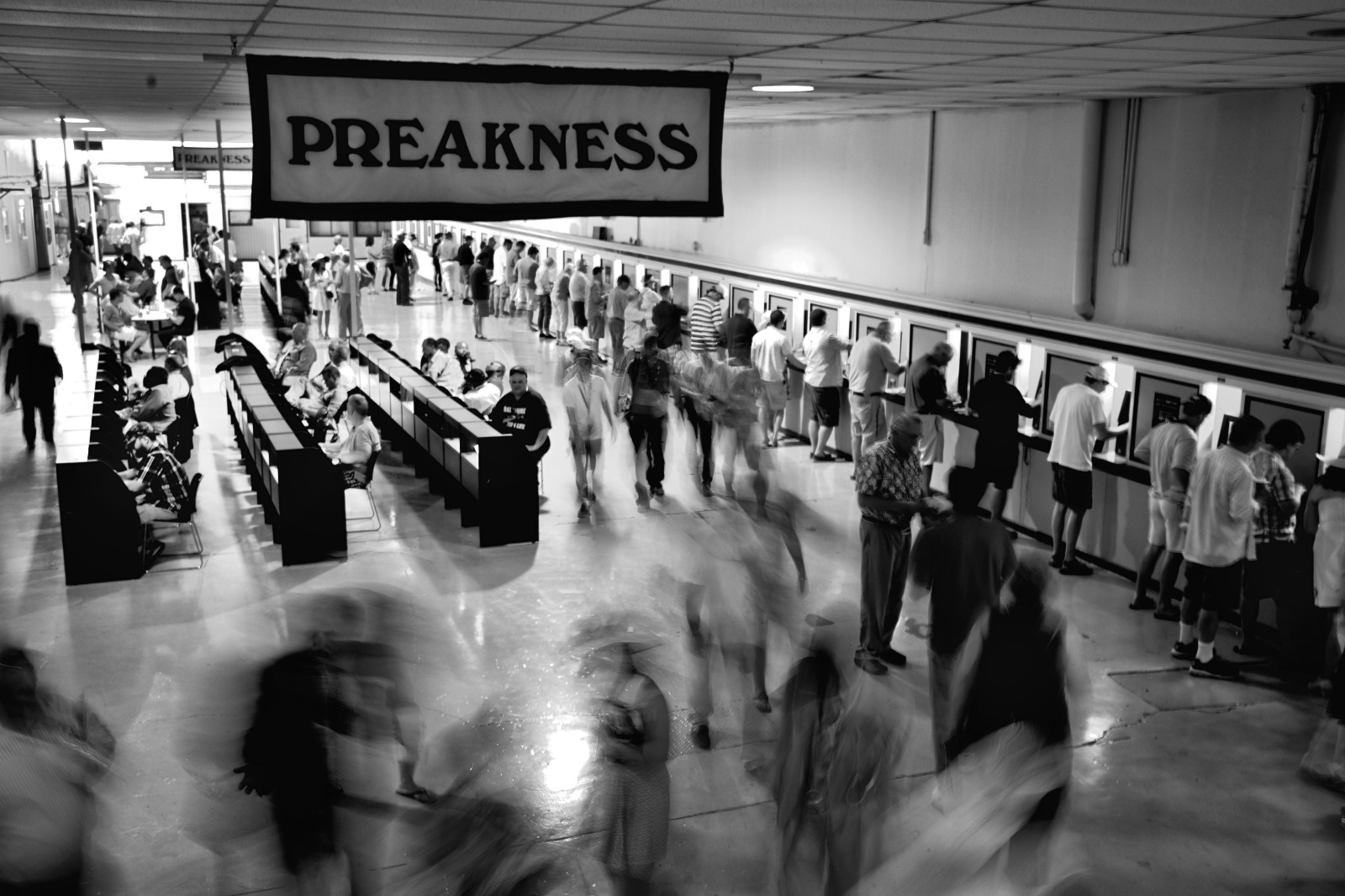
When the 151st running of the Preakness Stakes is staged at Laurel Park, it will carry with it a reminder that one of America’s most storied races has not always called Maryland home. Its path to becoming a cornerstone of the Triple Crown has been shaped by relocation, rediscovery, and a long-forgotten chapter in New York racing history.
Preakness Stakes history and origins
The evolution of the race is far richer and more complex than many modern followers may realise, stretching back to the late 19th century and weaving through multiple venues, eras, and near-lost records.
The Preakness Stakes history and origins are deeply tied to both Pimlico and New York racing culture, forming a narrative that spans generations of American Thoroughbred tradition.
First run in 1873 at Pimlico Race Course, the Preakness Stakes quickly established itself as a significant test for three-year-olds, arriving six years after the Belmont Stakes and two years before the Kentucky Derby. The inaugural winner, Survivor, produced a commanding performance that set an early tone for a race that would grow in stature over time.
Yet its early decades were far from stable. As competition between racing jurisdictions intensified after the Civil War, Maryland tracks struggled to maintain momentum against rising New York and New Jersey circuits. Financial strain and declining participation eventually forced the Maryland Jockey Club to suspend operations at Pimlico in the late 1880s.
The race then entered one of the most unusual chapters in American sport. For more than a decade, the Preakness Stakes was staged primarily in New York, most notably at Gravesend Race Track in Brooklyn and later at Morris Park in the Bronx. These editions, now often referred to by historians as the “lost Preaknesses,” were only rediscovered through painstaking archival research decades later.
Much of this history remained hidden until mid-20th-century investigations by racing officials and journalists uncovered fragmented records, confirming that multiple editions of the race had been run outside Maryland. These findings reshaped the understanding of Preakness Stakes history and origins, expanding its legacy far beyond Pimlico.
At Gravesend, the race evolved in distance and conditions, often reflecting the shifting priorities of the era rather than the fixed identity it holds today. One notable renewal saw a wide field of mixed ages, a far cry from the modern restriction to classic three-year-old competition.
Weather, track conditions, and changing ownership structures all played a role in shaping those New York editions. Races were frequently contested under demanding conditions, with heavy rain and testing ground adding unpredictability to outcomes.
Preakness Stakes history and origins
As the years progressed, notable winners emerged, including Whimsical in 1906 and Don Enrique in 1907, both contributing to a growing sense that the event was slowly gaining prestige even outside its Maryland roots. The 1908 running at Gravesend marked the final New York edition before a broader transformation in American racing regulation altered the sport’s landscape entirely.
By the early 20th century, changes in law and racing administration in New York brought an end to several historic tracks. Amid this disruption, the Preakness Stakes found an opportunity to return home. In 1909, Maryland officials re-established the race at Pimlico, where it would eventually grow into the modern Middle Jewel of the Triple Crown.
The return marked not just a geographical shift but a symbolic restoration. Pimlico once again became synonymous with the race, and over time, the Preakness Stakes history and origins were fully re-centred in Baltimore’s racing identity.
Today, the legacy of those wandering years remains an essential part of the event’s identity. The “lost Preaknesses” serve as a reminder that even the most established sporting traditions can evolve through unexpected paths, shaped by circumstance as much as intention.
For more stories, results, and updates from the world of horse racing, stay tuned to racebuzz