




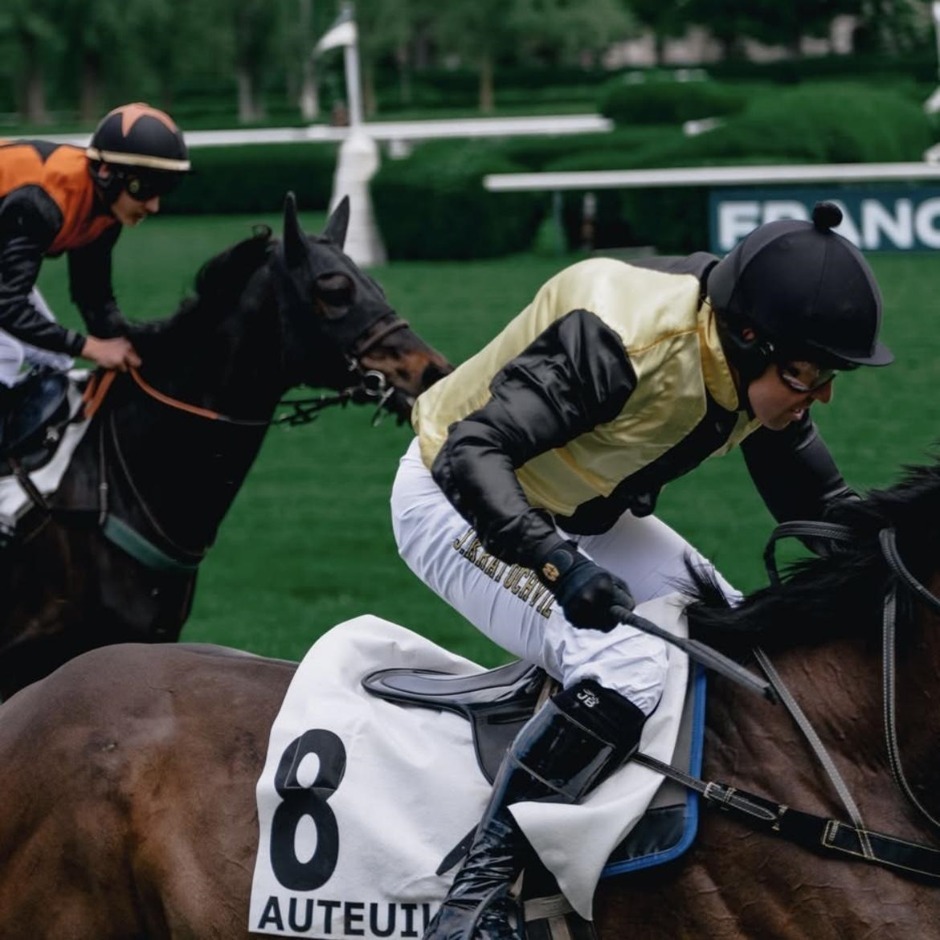
Chantilly is set to host an eight-race programme on Wednesday, 23 September 2026, with racing beginning at 11:42 AM and continuing through the afternoon. The meeting features a varied programme for two-year-olds, three-year-olds and older horses, with contests ranging from 1,200 metres to 1,600 metres. The card includes maiden races, Classe 2 events and three Classe 3 handicap contests, providing a broad mix of racing conditions throughout the day.
The opening races are reserved for two-year-olds, while the middle section of the programme brings together established three-year-olds. The final three races are for horses aged four years and older, all over 1,600 metres. The concluding race carries the highest prize allocation of the meeting at €28,800.
The meeting begins with the Prix des Terriers du Houx, a 1,600-metre maiden contest for two-year-old horses. The race has eight declared participants and carries a prize allocation of €27,400. At this stage of the season, two-year-old maidens can provide an interesting test of development, as many horses are still gaining experience over the distance.
The 1,600-metre trip places importance on both early positioning and the ability to maintain a sustained pace through the final stages. With eight runners scheduled to line up, the field should provide a competitive start to the Chantilly programme.
The second race is another two-year-old maiden, the Prix de la Mare aux Oiseaux, scheduled over 1,600 metres. The contest is set to feature eight participants and offers €27,400 in prize money.
Coming only 35 minutes after the opening race, it continues the focus on young horses at the meeting. The 1,600-metre distance gives the runners an opportunity to demonstrate their ability to settle and produce a sustained finish. With all eight places in the field occupied, the race is expected to provide another useful test for the developing two-year-olds.
The third contest introduces three-year-old horses to the programme. The Prix de Mours is a Classe 2 event over 1,600 metres, with eight runners and a prize allocation of €25,600.
The move into Classe 2 company brings together horses with established racing experience. Over 1,600 metres, tactical positioning can be important, particularly when the field reaches the closing stages. The runners will need to maintain their rhythm and produce their best effort in the final section of the race.
The fourth race changes the distance to 1,200 metres for the Prix de la Montignette. The event is a handicap for two-year-olds, with 11 participants and €22,100 available in prize money.
The shorter trip places greater emphasis on pace and acceleration. Two-year-olds tackling 1,200 metres must respond quickly to changes in tempo, while positioning can become particularly significant over the sprint distance. With 11 horses in the field, the race should provide a busy and competitive contest.
Three-year-olds return for the fifth race, the Prix du Cabinet des Gemmes, a Classe 2 event over 1,200 metres. The race has nine runners and carries a prize allocation of €25,600.
The combination of three-year-old horses and the 1,200-metre distance makes this a contest where speed and finishing ability will be important. Unlike the earlier 1,600-metre races, the shorter course leaves less room for recovery after a slow start. The runners will therefore face a demanding test of pace and race management.
The sixth race begins the final sequence of contests for older horses. The Prix de Boran-sur-Oise is a Classe 3 handicap for horses aged four years and older. It will be run over 1,600 metres and has a field of 16 participants, with €20,200 in prize money.
The larger field adds another dimension to the contest, with horses having to negotiate the race carefully while maintaining their rhythm over the mile distance. The experience of the older runners should make this an interesting transition into the final part of the programme.The seventh race is another Classe 3 handicap for horses aged four years and older. The Prix de Noisy-sur-Oise will be contested over 1,600 metres, with 16 runners and a prize allocation of €22,100.
The race follows the same distance and field size as the sixth contest but offers a different challenge for the participating horses. The 1,600-metre trip requires a balance between conserving energy and producing a strong finish. With a full field of 16, maintaining a clear racing position could also prove important during the contest.
The final race of the Chantilly card is the Prix de Bruyere-sur-Oise, scheduled for 3:57 PM. It is a Classe 3 handicap for horses aged four years and older and will be run over 1,600 metres.
The race features 16 participants and carries the meeting’s highest prize allocation of €28,800. As the closing contest, it brings together experienced horses for another test over the mile distance. The larger field and competitive classification should provide an appropriate conclusion to the eight-race programme.
Wednesday’s Chantilly programme presents a varied afternoon of racing, beginning with two consecutive maiden contests for two-year-olds before moving into Classe 2 events for three-year-olds. The fourth and fifth races provide shorter-distance action over 1,200 metres, while the final three contests return to 1,600 metres for experienced horses aged four and above.
The meeting also features a progression in field sizes, with eight runners in each of the opening three races, followed by 11 in the fourth, nine in the fifth and 16 in each of the final three contests. Prize allocations range from €20,200 to €28,800, with the Prix de Bruyere-sur-Oise carrying the largest purse of the day.
With eight races scheduled between 11:42 AM and 3:57 PM, Chantilly will offer a full afternoon of action across different age groups, classifications and distances. The programme provides opportunities for developing two-year-olds, established three-year-olds and experienced older horses to compete across a range of conditions.
For more stories, results, and updates from the world of horse racing, stay tuned to RaceBuzz.