




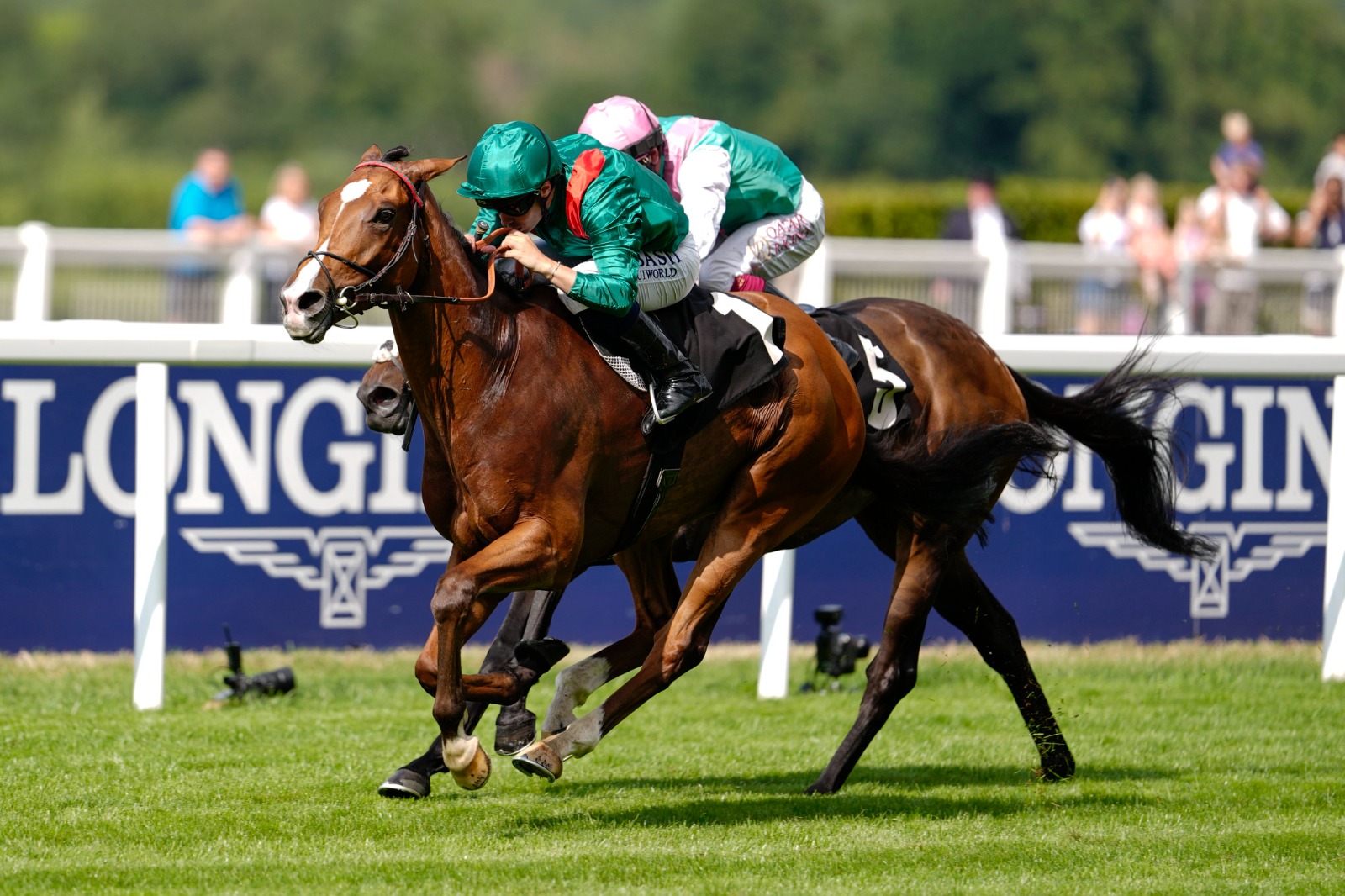
Ascot’s prize money announcement for 2026 began not with numbers, but with a moment that captured the spirit of the course. As officials gathered early on a crisp December morning, one trainer paused to give his seasoned campaigner a light pat on the neck, whispering a quiet reassurance before the horse was led back to its box. That gentle exchange echoed the driving theme of the day: support, commitment, and a renewed push to strengthen the sport from the ground up. It was a fitting backdrop to the news that Ascot prize money will reach record levels next year.
Ascot Racecourse has confirmed that total returns for 2026 will rise to £19.4 million, marking an uplift of £1.65 million on the previous year. The announcement outlines increases across both Flat and Jump racing, with more than half of the track’s 169 contests set to be run for higher rewards than in 2025. The elevation reinforces Ascot’s determination to maintain its standing as a global racing destination while strengthening its developmental pathway.
Royal Ascot, the centrepiece of the season, will be worth £10.65 million in 2026. Minimum purse levels at the meeting will rise to £120,000 per race, a move designed to bolster competitiveness throughout the week. All eight Group 1 contests now stand at no less than £700,000, with two carrying £1 million. Twenty-six of the 35 races across the Royal Meeting will be run for more than they were this year.
Beyond the summer showpiece, the famed midsummer weight-for-age highlight, the King George VI and Queen Elizabeth Stakes, will step into new territory as Britain’s first £2 million race. The supporting card on King George day will also push total prize funds above £2.5 million.
The upward movement is not restricted to elite contests. The Group 2 Summer Mile climbs to £165,000, while every race on the Dubai Duty Free Shergar Cup card will be run for at least £85,000. Investment in the sport’s middle tiers includes a significant rise in Class 3 and 4 Flat races, all of which will now offer a minimum of £25,000. This alone contributes an additional £287,000 to the programme.
Jump racing receives a considered uplift as well. The 1965 Chase will increase to £100,000, joining two other six-figure events during the November Racing Weekend. All weight-for-age novice and maiden hurdles will now carry no less than £25,000, underlining the course’s commitment to nurturing emerging talent.
Ascot’s executive contribution to these figures climbs to £10.7 million for 2026, reinforcing the racecourse’s long-term strategic approach. Officials emphasised that prize money remains the most effective mechanism for attracting high-quality horses from both home and abroad, particularly in an increasingly competitive international landscape.
The leadership team also highlighted a collective approach to strengthening midsummer sport. The King George will be promoted alongside other major summer contests — the July Cup, Sussex Stakes and the International — under the banner of the Midsummer Elite Races. The initiative aims to draw greater global attention to Britain’s historic mid-season features.
While the financial increases commanded the headlines, the human response around the course was one of quiet optimism. Stable staff spoke with pride about the importance of investment in developmental races, while trainers reflected on the confidence such steps provide for long-term planning. For a sport built on partnership between horse and human, the record uplift signals a vote of faith in the future.
For more stories, results, and updates from the world of horse racing, stay tuned to racebuzz