




The leaders of Newmarket’s horseracing and breeding community have set out an ambitious roadmap aimed at safeguarding the town’s future while strengthening its position at the heart of the global racing industry.
In a comprehensive 80-page report titled “The Case for Newmarket,” representatives from across the sector—including trainers, breeders, veterinarians, stable staff and associated businesses—have outlined a coordinated vision for the next 10 to 15 years. The document reflects both the challenges currently facing the town and the opportunities that lie ahead, calling for closer collaboration between the industry and government at all levels.
At its core, the strategy presents a five-point plan designed to secure long-term sustainability. Central to this is a push for smarter planning policies that prioritise horse welfare and industry viability, including the potential development of an all-weather racing and training facility. Alongside this, there is a clear emphasis on innovation, particularly in equine science and veterinary research, areas in which Newmarket already holds a leading position.
Equine welfare remains a defining theme throughout the blueprint. With its concentration of world-class veterinary hospitals and expertise, the town is seen as uniquely placed to set global standards in horse care. The report also highlights the importance of investing in the workforce, pointing to the need for affordable housing, clearer career pathways and broader employment support for those who sustain the industry on a daily basis.
Beyond the stables and training grounds, the plan looks outward to the town itself. Revitalising Newmarket as a visitor destination is viewed as essential, both for preserving its heritage and for supporting local businesses. This comes against a backdrop of declining visitor numbers and broader economic pressures, issues the report acknowledges but does not dwell on. Instead, its tone is forward-looking, presenting a vision built on renewal rather than recovery.
Economically, the figures underline the scale of what is at stake. Horseracing remains the United Kingdom’s second most significant sport in financial terms, contributing around £4 billion nationally. Within that landscape, Newmarket stands apart. The town accounts for more than £300 million annually to the local economy, with its stud farms alone generating over £110 million and supporting more than 1,000 jobs. Around one in three local roles is linked directly to the racing and breeding cluster.
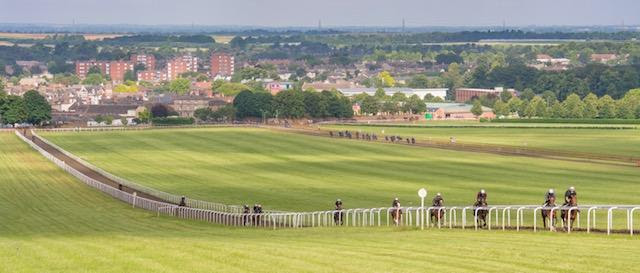
Each morning, that connection is visible as strings of thoroughbreds move through the town towards the training grounds—an enduring image that reflects both tradition and daily routine. It is this balance between heritage and modern demands that the strategy seeks to preserve.
Champion trainer John Gosden emphasised the delicate relationship between the town and its industry, noting that their coexistence must remain central to any future planning decisions. His view is echoed by industry leaders who stress that growth must not come at the expense of the community or the horses themselves.
Amy Starkey, leading the forum behind the report, described the moment as pivotal, suggesting the blueprint is as much a call to action as it is a strategic plan. There is a shared belief that, with the right support and policy framework, Newmarket can enter a new phase of growth while maintaining its identity.
Veterinary expert Fred Barrelet pointed to the town’s global reputation in equine care, arguing that continued investment in research and services will not only benefit horses but also sustain skilled employment and reinforce British racing’s international standing. Similarly, Thoroughbred Breeders Association CEO Naomi Mellor highlighted the significance of Newmarket’s breeding operations, noting that the presence of leading stallions underscores its importance on the world stage.
The report ultimately positions Newmarket as more than just a centre for racing. It is presented as a living ecosystem—economic, cultural and social—whose future depends on coordinated ambition and meaningful partnerships with policymakers.
For a town that has shaped the sport for over four centuries, the message is clear: its next chapter will require as much unity and foresight as its past has demanded tradition and excellence.
For more stories, results, and updates from the world of horse racing, stay tuned to racebuzz